
BOER WARS
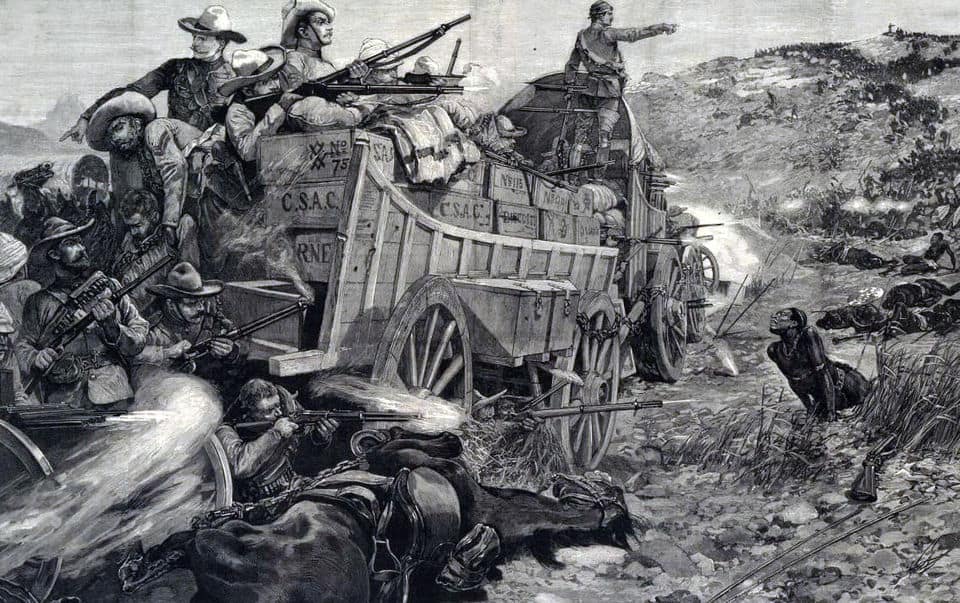
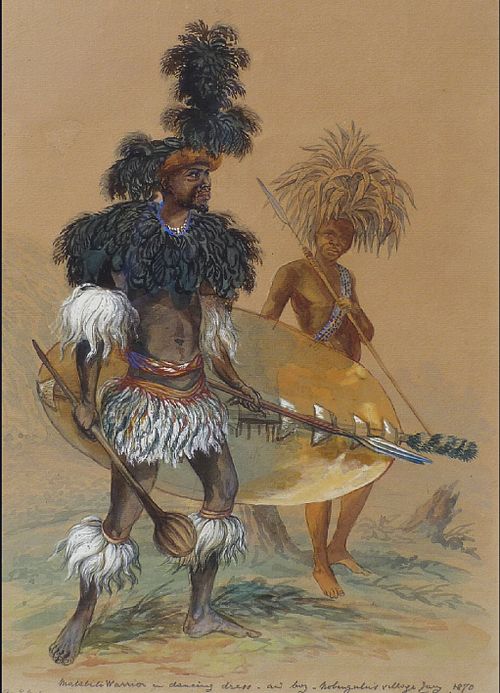
From 1800s, there were major wars and conflicts, between the invading Boers of Dutch origin, and the Ndebele communities of Southern Africa.
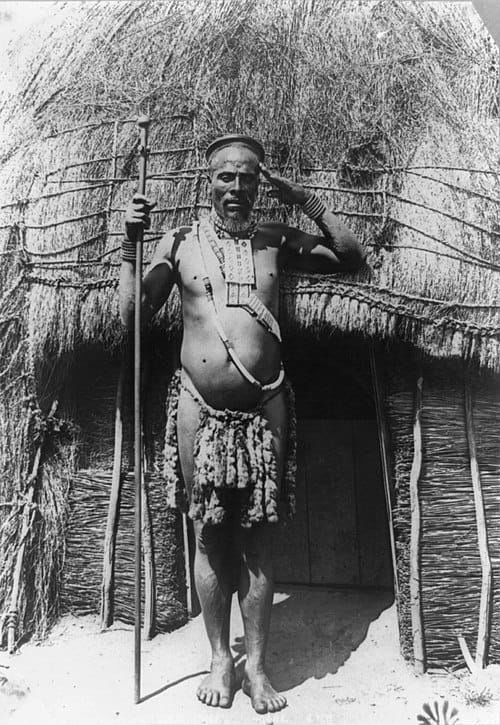
The defending army led by King Mzilikazi, was forced to retreat to present day Matabeleland. Where the Ndebele nation established a permanent base. King Mzilikazi organised a militaristic system of regimental towns, and established a capital in Bulawayo.
Eventually, the Boers and the British troops at war, successfully colonised Southern Africa. However the Ndebele nation developed systems of resistance, to retain their cultural legacy and heritage, through house paintings and designs.
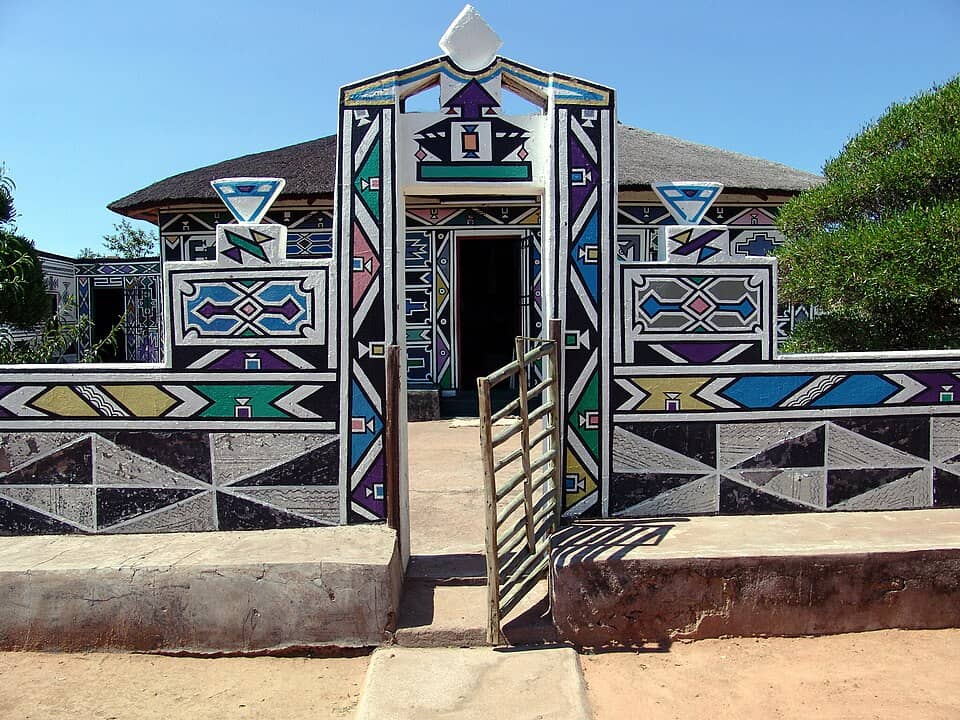
NDEBELE PAINTED HOUSES
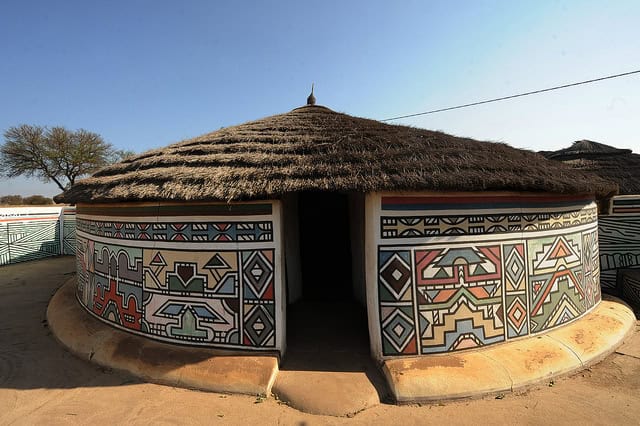
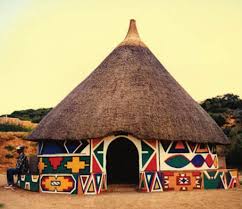
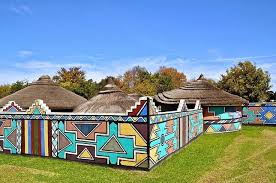
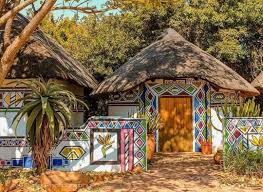
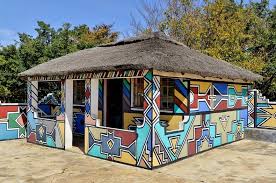
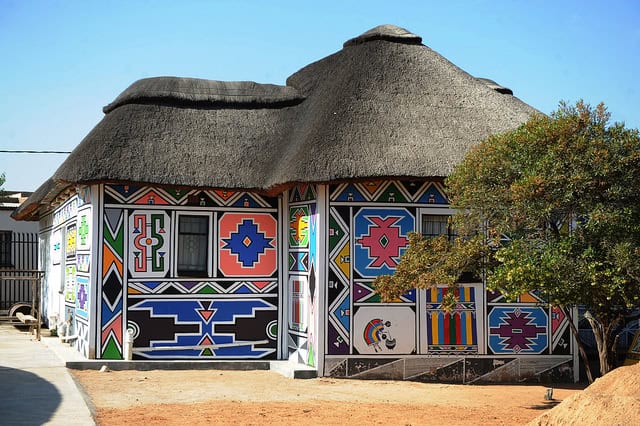
Unknown to the invading authorities, secret codes and messages were incorporated through the design and geometric patterns, painted on the external and interior walls of the houses.
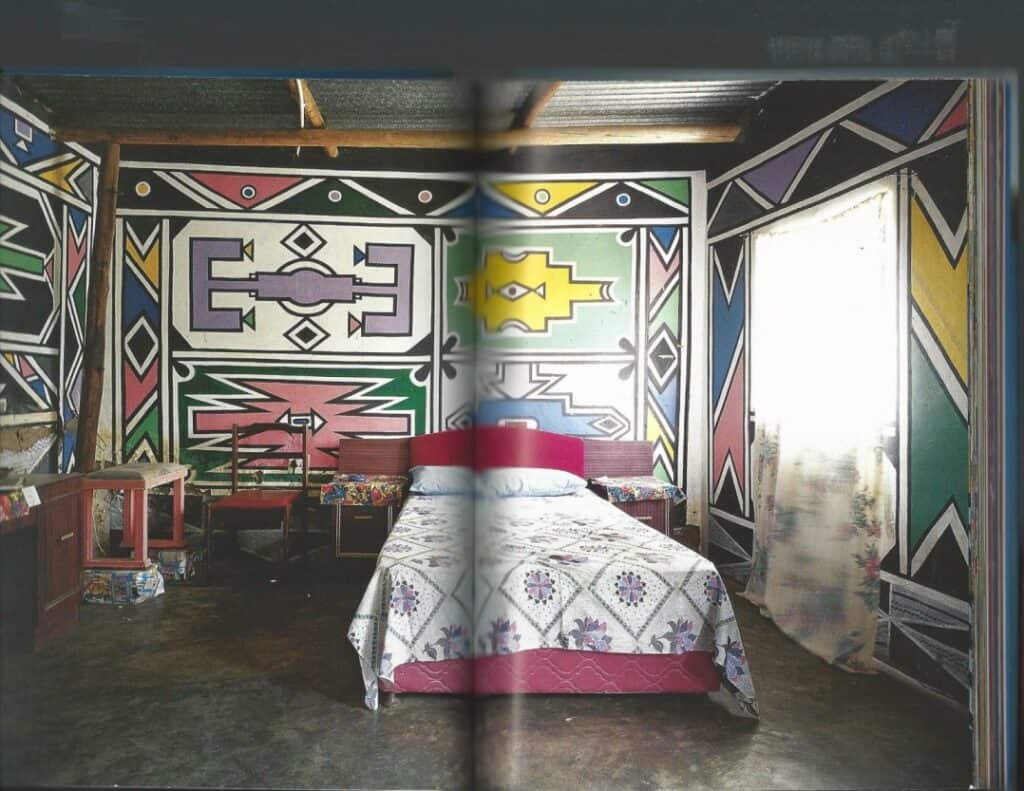
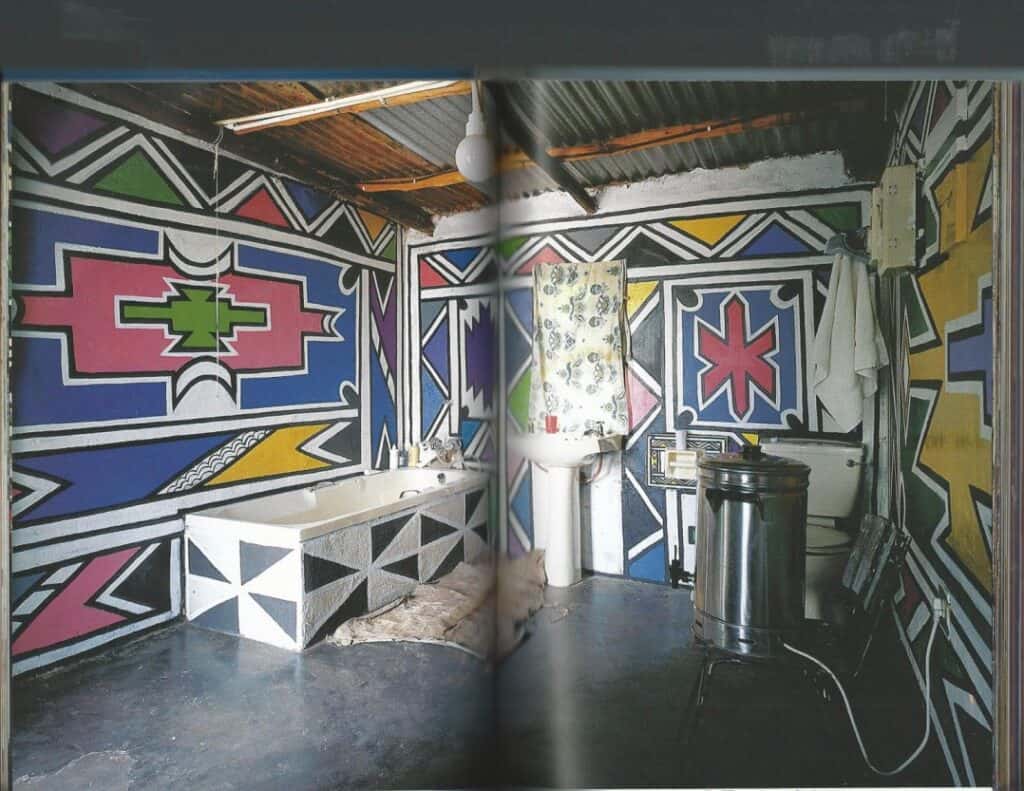
The paintings on the walls contained secret codes and messages, relating to guerrilla warfare, and strategies against the Boers and British regimes. There were also announcements within the geometric designs, personal prayers, marriages, emotional pleas, expressed cultural and social values.
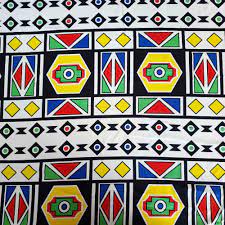
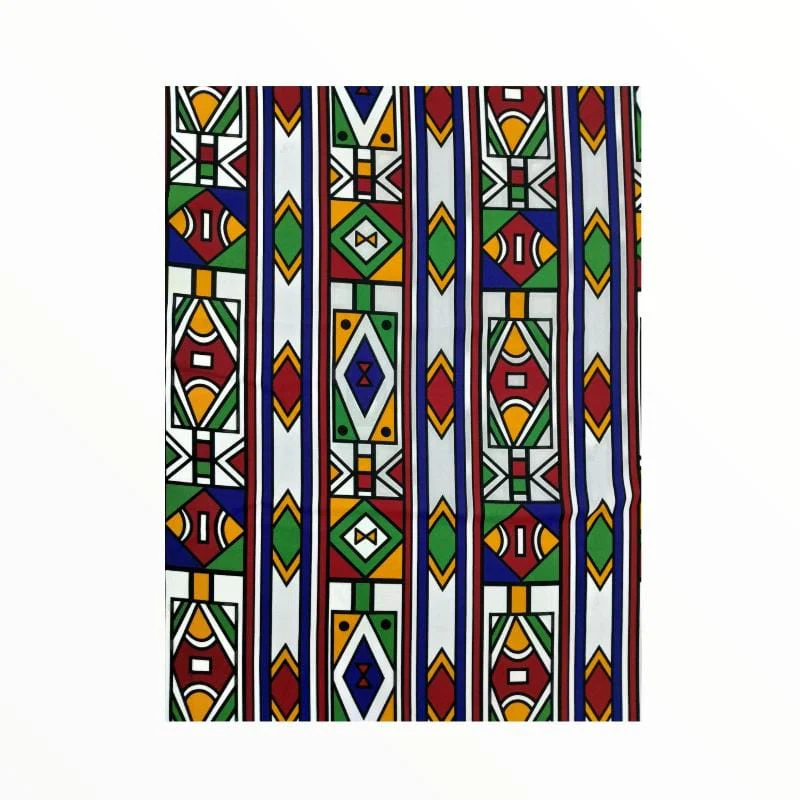
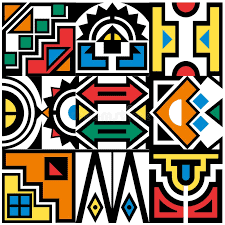
Ndebele women were responsible for painting the colourful, and intricate geometric patterns on the walls of houses. Feathers of chickens were used as brushes, to paint and colour the patterns of designs.
NDEBELE ART
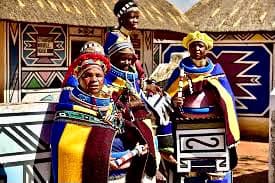
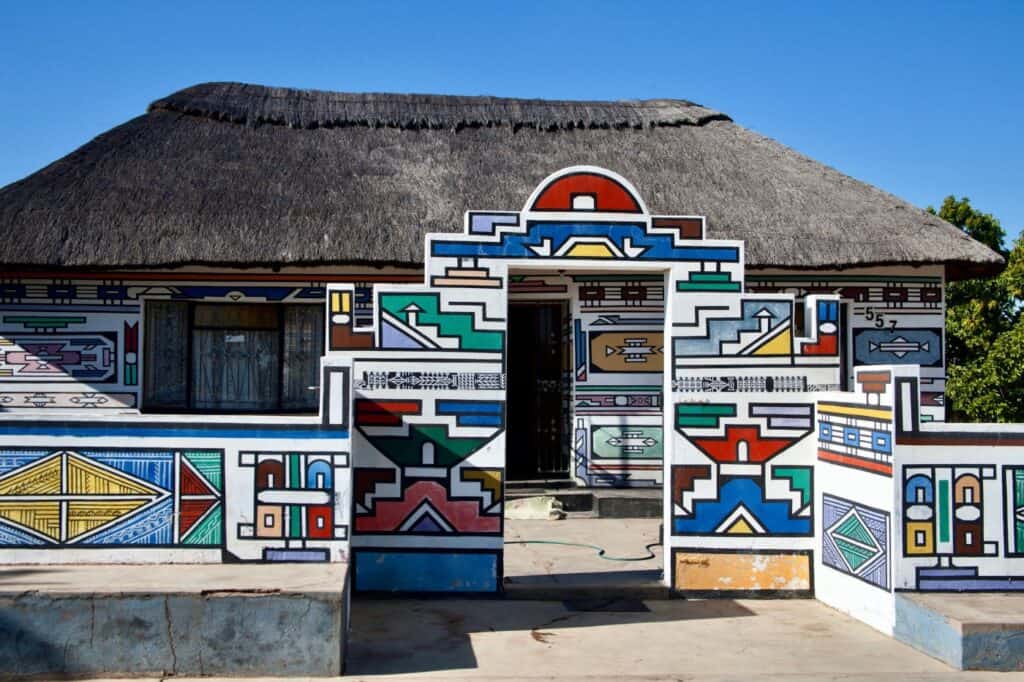

Ndebele Art is an important identifying characteristic of this particular African community. Apart from its beauty, it has symbolic meanings, iconic and cultural significance, that reinforces Ndebele identity.
The Ndebele Artistic Tradition combines exterior sources of stimulation, with traditional concepts borrowed from the ancestral tracts, and wealth of collective memory.
Paintings and bead works, are done freehand without prior layouts. The Ndebele were forced to work as indentured servants to Boer farmers. They used art as a visual language, to represent their stories, joys, griefs, and resist oppressions.
Here are a few areas that could be explored for further clarity: Visual Language, Cultural identity, Coded Language, Symbolic Meanings, Rituals & Ceremonies, Social Significance, Colour Symbolism.
ESTHER MAHLANGU

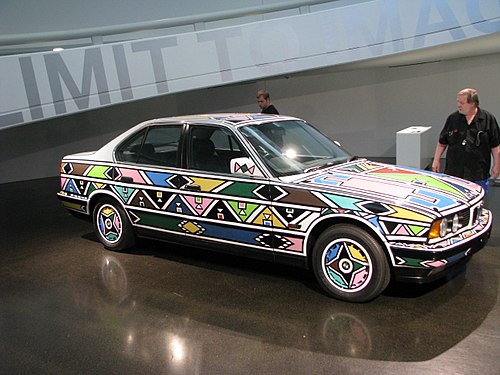
The artist Esther Mahlangu, has taken traditional Ndebele Art and Bead Works, into the Global Art Arenas and Markets.
She makes art works by utilising the geometric patterns and designs, found in traditional Ndebele house paintings, and bead workings.
Her paintings on canvas, are large in scale, and sold world wide to collectors, museums, and art organisations.
Esther received international recognition in 1989, at a French Art Exposition. In 1991, she was commissioned by BMW, to create an Art Car. The widespread acceptance of Esther’s works, has exposed people to a visual language, that is personal and private among Ndebele people.
Written by Nomusa Khumalo.