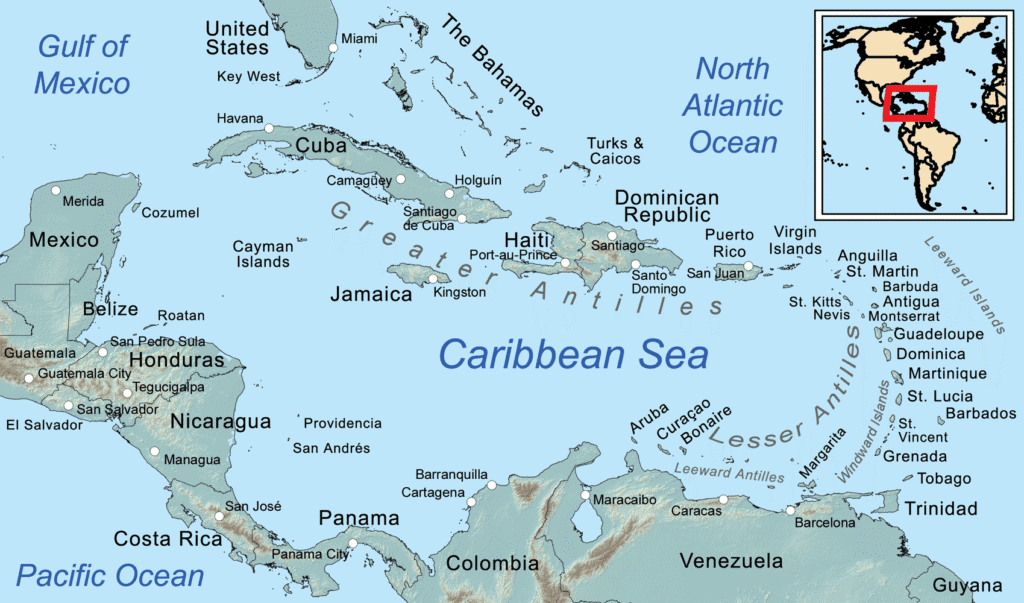
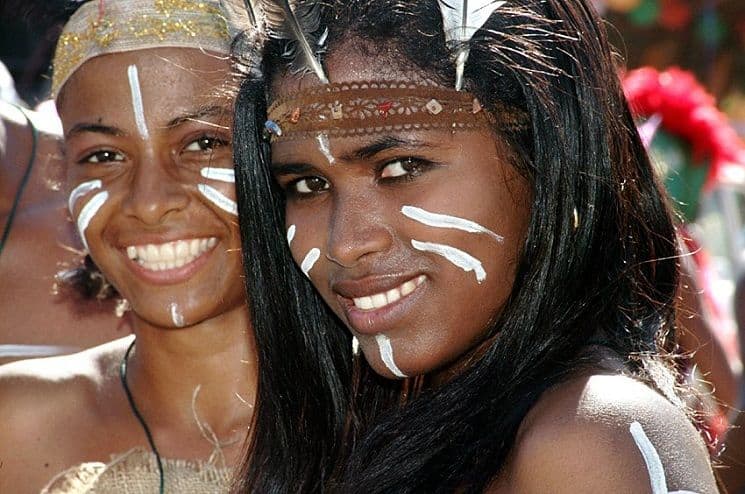
Thousands of years before before the Europeans arrived in the Caribbean, millions of people were living there, on over one thousands islands, in the Caribbean Sea.
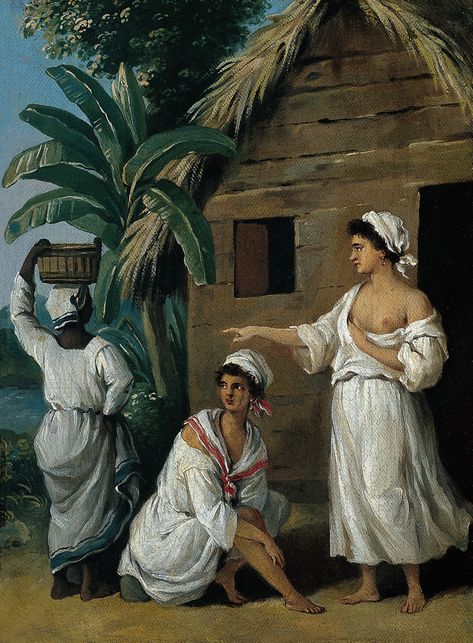
The indegineous people on those islands, were called Arawaks, Tainos, Caribs, and a number of other names. Looking similar to Native Americans, much later, with the arrivals of Europeans and Africans, inter-mingling began.
The new features of the population became what it is today, Caribbean Communities. A mixture of people from all over the world. Evidence of the distant past remain, and can be found if you are willing to look carefully.
POLITICS & ECONOMICS
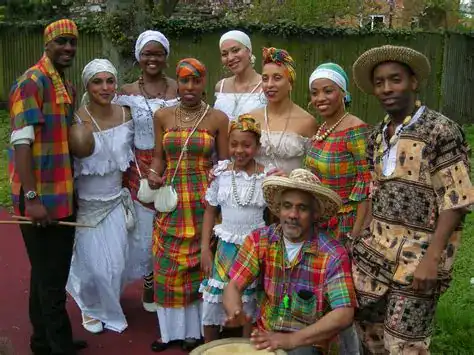
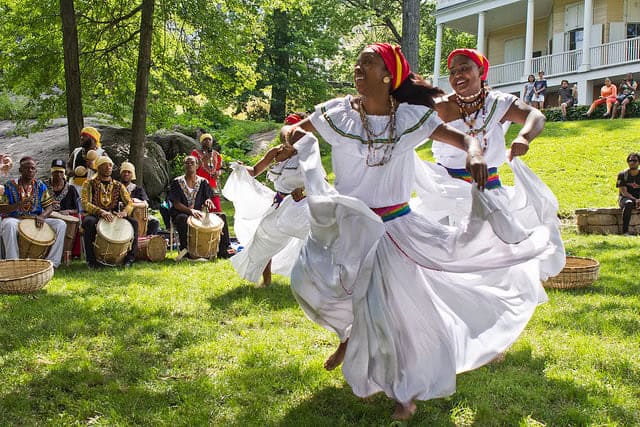
Today, the Caribbean Community is a mix of people, and a fusion of cultures from all over the world, in a cohesive bond. Established in 1973, Caricom is a political and economic union of 15 member islands, and 5 associated members.
With its headquarters in George Town, Guyana, the aims of Caricom is to promote economic integration, and cooperation among its members. The members are Trinidad & Tobago, Belize, Dominica, Grenada, Haiti, Montserrat, St. Kitts & Nevis, St. Lucia, Barbados, Antiqua & Barbuda, Jamaica, St. Vincent & Grenadines, Suriname, Guyana, Bahamas. A question arise when we examine carefully, the majority of the Caricom membership, were in the past, colonies of the British empire? Dominica, Haiti, St. Lucia, and St. Kitts were once French colonizes.
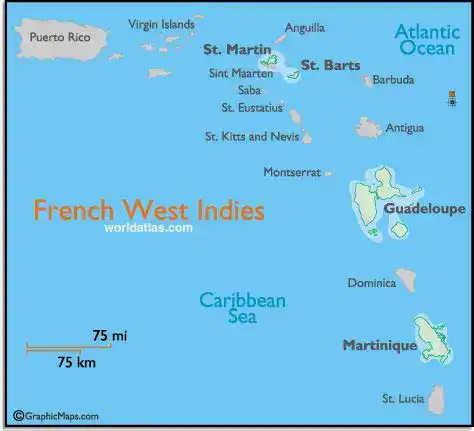
FRENCH CARIBBEAN
France colonizes in the Caribbean were conducted through the French overseas department. France implemented a system of direct rule, from France.
Officials were placed in charge of colonial territories, with the aim of assimilating local populations, into French culture, values, and governance.
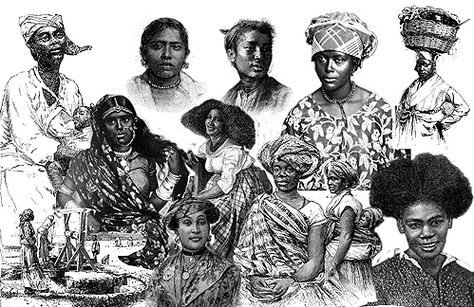
The local communities were seen as French citizens, and were expected to adopt French language, culture, and values. Due to the major uprising in its colonial territories, France was the first European nation to abolish slavery in 1794. It was reintroduced by political and economic pressures.
Liberators.
In the wars, struggles, and resistance against oppressive regimes, for many individuals it was a life long work of good over evil. Below are four brief examples of well known liberators.
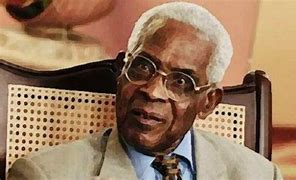
Aime Cesaire a co-founder of the Negritude Movement, is known for his works that explore themes of Identity, Black Pride, and struggles against colonialism.
Born on the Caribbean island of Martinque, June, 1913, Cesaire attended the the Lycee Schoelcher in Fort-de-France, where he developed a love for literature and poetry.
He has also made significant contribution in politics, serving as Mayor of Fort-de-France, a deputy in the French National Assembly. Aime Cesaire works have left an enduring impact on the African diaspora, and Francophone literature.
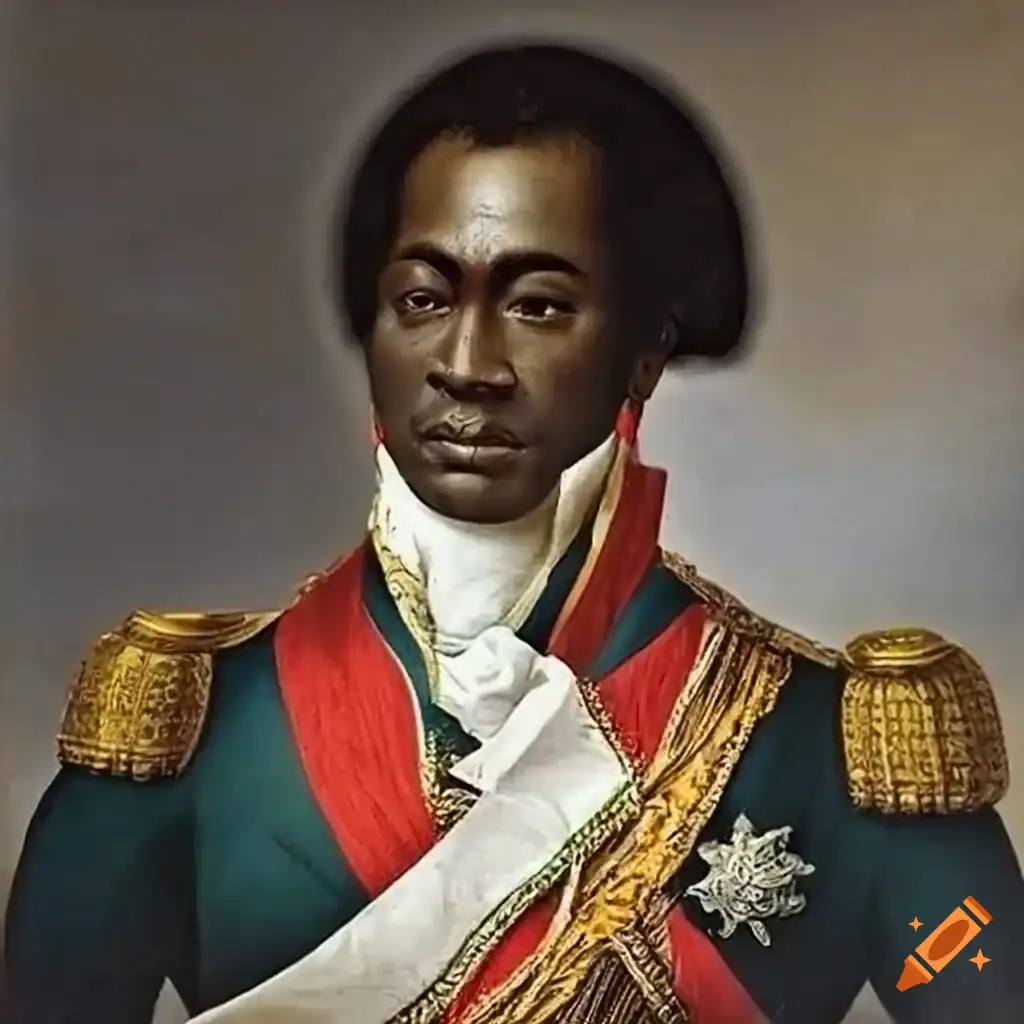
Toussaint L’overture was born in 1743 on the island of St. Dominque (Haiti). From the beginning of 1776, he became a wealthy plantain owner.
From 1791. he emerged as a leader during the Haitian revolution. Using paid labour, and negotiated trade agreements with Britain, and the United States of America in 1801, Toussaint restored plantation economy on the island.
Through orders from Napoleon Bonaparte in 1802. Toussaint was captured and taken to France. He died in Fort-de-Joux prison in 1803, from malnutrition and pneumonia.
Toussaint L’overture is celebrated as one of the fathers of Haiti, and remains a symbol of resistance against oppression. His life and actions have had a lasting impact, on the fight for freedom and human rights.
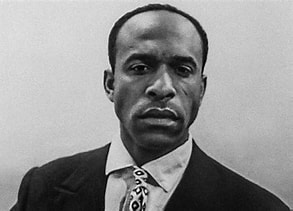
Franz Fanon was born in July 1925, on the Caribbean Island of Martinque. He became a member of the French army and was posted to North Africa – Morocco and Algeria in 1944.
During this period, he became a physician, psychiatrist, and a pan-Africanist. Fanon supported the the Algerian war of independence from France. He also formulated models for psychology and mental health care.
His works are highly valued in the areas of political philosophy, post-colonial studies, critical theory, and the cultural consequences of decolonization.
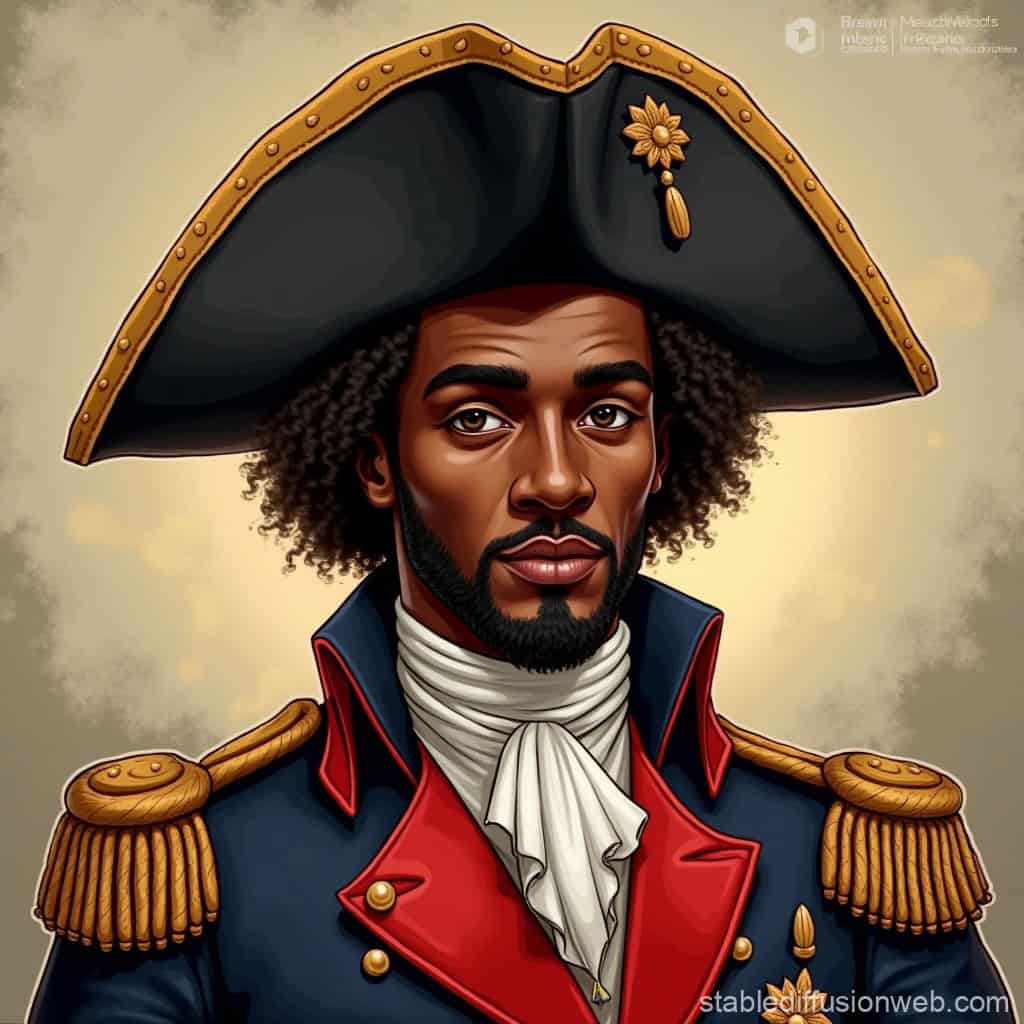
Jean-Jacques Dessalines was born in 1758, on the French Caribbean island of Saint Dominque – present day Haiti. he served as an officer in the French army, and fought against British and Spanish military forces.
In 1802, after Toussaint L’overture was imprisoned and died in France, Dessalines became the commander of the revolutionary forces. He led the Haitian army to victory against the French army in 1803.
Jean-Jacques Dessalines was the first leader of independent Haiti in 1804. It was the first country in the Caribbean and Americas to abolish slavery. Juliet Bravo.