

DIASPORA
The African Diaspora documents and describe the movements, and life of people from an African origin, living outside the continent of Africa.
They are displaced and located in various parts of the world, with a multitude of nationalities. In 2024, the total number of people from an African origin in the diaspora, is estimated to be 350 million.
ARABIC
Long before ‘Colour of Skin’ became a tool for Racial, Social, and Political constructs. Defenceless people living on the islands in the Mediterranean Sea- Southern Europe, and along the East and North Coast of Africa.
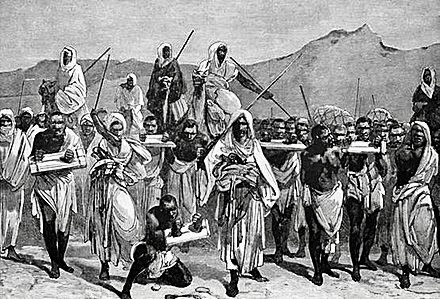
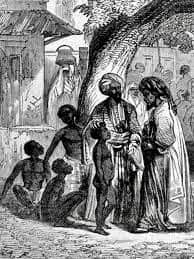
Those communities were often attacked, held in captivity, and sold into slavery throughout the region and cities, dominated by Arabs rulers.
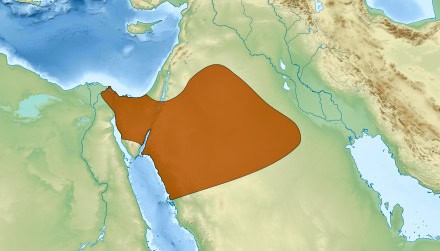
Displacements of African populations were implemented, by three major movements from their place of origin. The first forced migration began from the 7th to the 19th century AD, by Arab slave traders. Arab pirates captured human cargo, both male and female, adults and youths, Africans and Europeans. To be sold as slaves in North Africa, Istanbul, Bagdad, Arabia, and other areas of the Middle East.



CULTURES & CUSTOMS
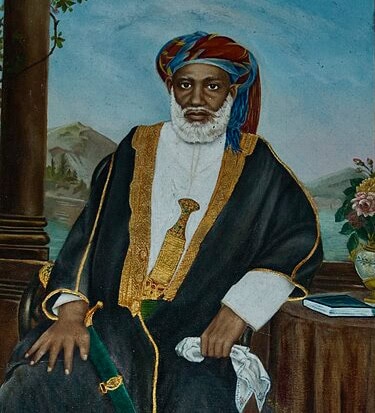
There are distinctive differences between African and Arab nations. Yet, through the Rights of Conquest, many Africans were converted to Islam by force. In the Islamic faith and communities, Arabic cultures are the visible dominant group.
Original descendants of Abraham, through Ishmael in the Middle East. In the beginning, there were twelve ethnic groups, from which the Arab nations evolved.
In the name of Allah – The Invisible All Knowing GOD – The Most Gracious – The Most Merciful. Allah Messenger – The Prophet Mohammed – Peace Be Upon His Soul. With a book ‘The Koran’ was and remain, the civilising factor, for the wild nomadic Arabic tribes from the deserts and wilderness.
EUROPEAN SLAVE TRADERS
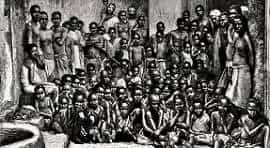
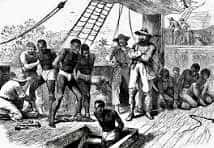
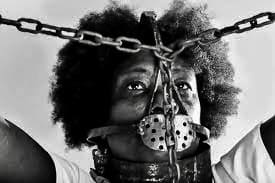

The second wave of forced migration from their place of origin, began in the 15th to the 19th century.
The Atlantic African Slave Trade was a triangular movement by sailing ships, from Europe to West Africa, over the ocean to sea ports in the Caribbean and Americas. African captives were sold from auction blocks.
Ships loaded with all types of imported goods, would then leave the Americas to European destinations.
Descendants from these two streams of forced migration from the African continent, are still living today in Yemen, Iraq, Saudi Arabia, the Caribbean islands, United States of America, Brazil, Mexico, and in many other places around the world.

LOSS OF MEMORY & IDENTITY
The African captives were, for instance, farmers, merchants, priests, soldiers, goldsmiths and musicians. They were husbands and wives, fathers and mothers, sons and daughters. They could be Yoruba, Igbo, Akan or Twi.
Africans who were known only as ‘slaves’ strips them of their identity. In time all collective memories we’re erased. They forgot where they came from, and who they were.
European slavers dispersed them across the ‘New World’ to a life of degradation and brutality, without thought for their personal condition. Millions died in the process. As a result, people of African descent are spread throughout the Americas and the Caribbean.
WORLD WAR 2
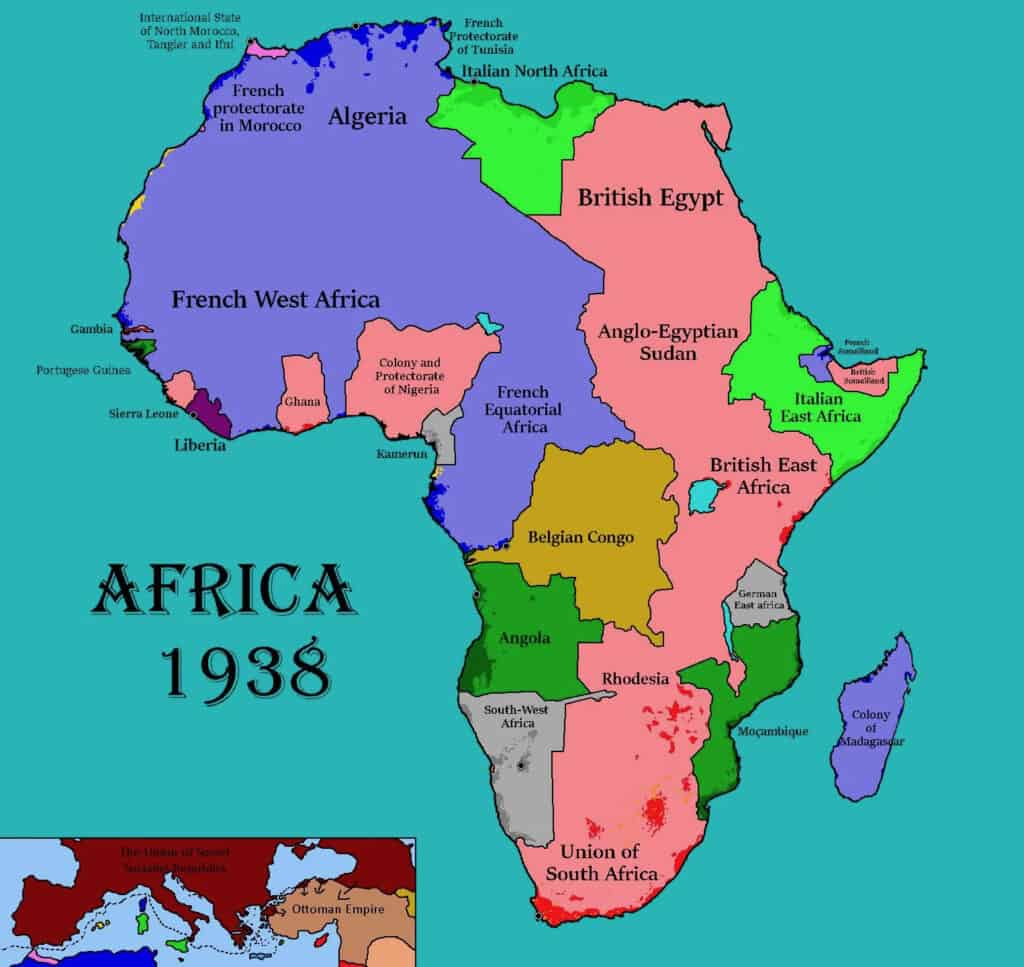
The two new emerging super-powers U.S.A. and Russia dominated the United Nations, they both put pressure on colonial powers to prepare Africans for self-government. The emergence of Russia as a world power also led to the spread of socialist and Marxist ideas, especially in French African colonies.
Many Africans fought on the side of the French in Vietnam, for example, Ben Bella, leader of Algerian revolution and Jean Bedel Bokassa, later president of Central African Republic. The defeat of the white men by yellow people, encouraged black people to begin a struggle that would start the decolonisation of Africa.
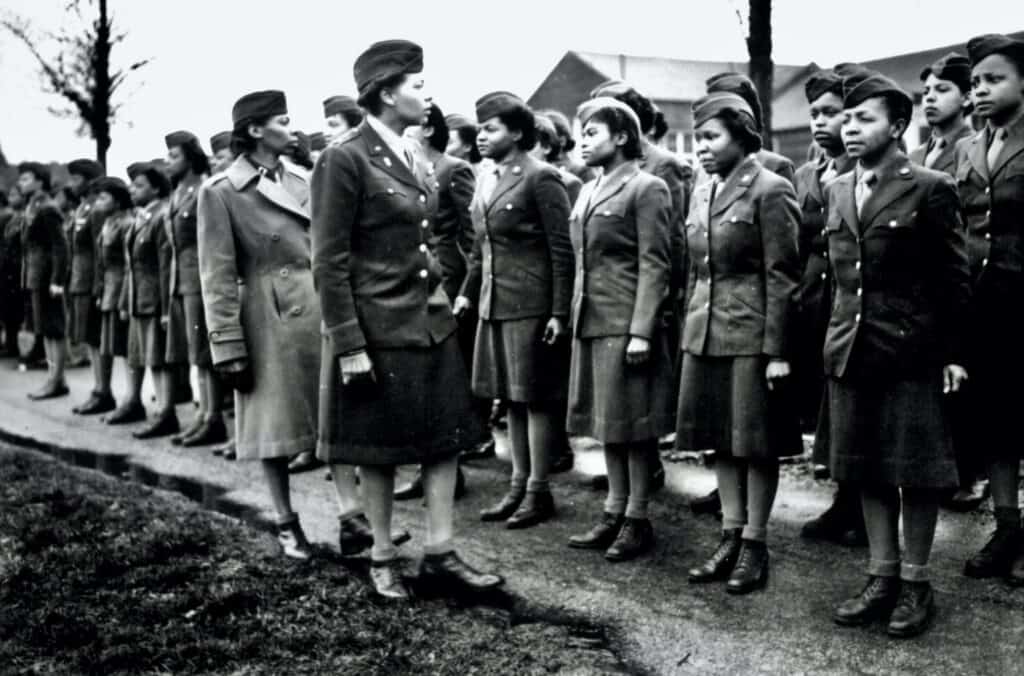
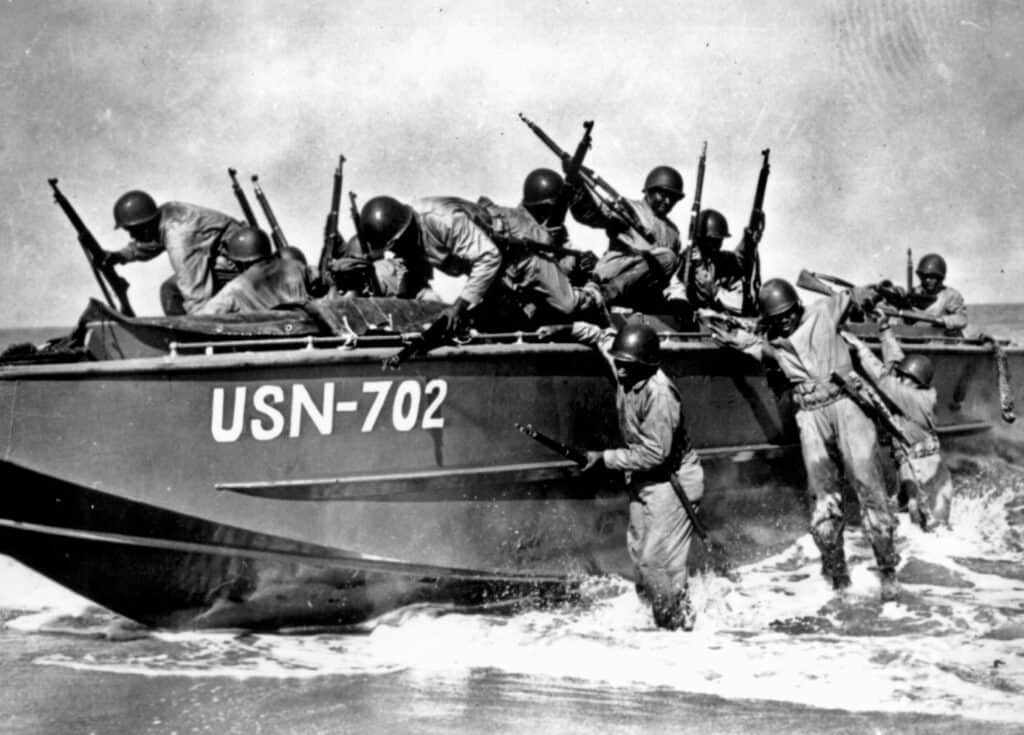
Africans participated in World War II as soldiers and labourers. This war affected Africa in different ways.



VOLUNTARY MIGRATION

The third wave of massive movement away from their place of origin, began in the 1950s. The need for cheap labour force, in the effort to rebuild Europe after the war. European governments actively encouraged immigration of Africans into major cities.
At the beginning of the 21st century, African immigrants fleeing failed and failing states, poverty, and joblessness on the continent. Including the inability of the European Markets to replenish its labouring work force, presented African skilled workers with an opportunity for a better life.
ILLEGAL IMMIGRATION

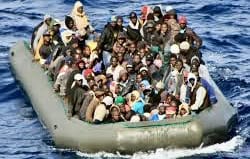
While threat to life, poverty and joblessness, war and persecution, quest for fame and fortunes, may force people to emigrate. The illegal introduction of Africans into Europe is disruptive to institutions, social structures, and environments. Europeans in general dislikes refugees, asylum seekers, and the so-called ‘economic migrants.’
While European governments offer African leaders financial support, to block Africa-to-Europe migrants. African governments face the dilemma of providing work, for millions of their jobless citizens. Unless the root cause of African migration – poverty and underdevelopment – is addressed, European Union nor African governments, will not successfully stem the current tide of Africa-to- Europe migration.


Due to the lack of opportunities in their own countries, highly skilled professionals like lawyers, members of the medical profession, clinical psychiatrists, IT workers, communications/media professionals, computer experts, are able to find employment abroad. Thousands of African professionals emigrate to Europe and the United State of America constantly.
The job opportunities offered in those places, become the cause of massive brain drains of the continent best professionals. Although many Africans are resident in Europe and contribute to its economy, the repressive stereotype image of the sub-human African still finds expressions in the media, and the mind of European communities. The worst psychological and emotional effect of this form of negative expressions, are the African internalisation of these regressive racist viewpoints. Rohan Asiegbu.